Whimsical Christmas Bear Clipart Review
As a designer who has spent years translating digital art into tangible thread, I approach every new asset with a mix of excitement and skepticism. When I first opened the file for Whimsical Christmas Bear Clipart, my immediate goal was to determine if this illustration could survive the transition from screen to fabric without losing its charm. In the world of machine embroidery, not every cute image makes a great design. Some lack the necessary structural integrity, while others are simply too dense for practical application. This review explores how this specific bear illustration performs in real-world scenarios, offering a practical perspective for fellow crafters, Etsy sellers, and small business owners.
First Impressions: Mood and Visual Personality
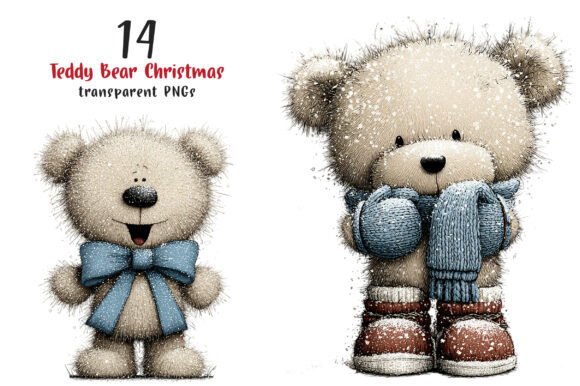
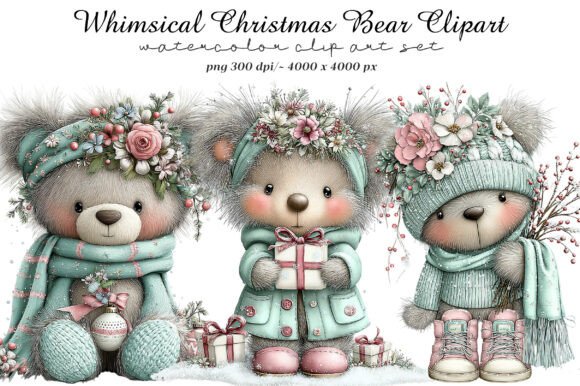
The initial view of Whimsical Christmas Bear Clipart is undeniably heartwarming. The character exudes a soft, playful energy that fits perfectly within the holiday season aesthetic. Unlike rigid or overly geometric illustrations, this design features rounded edges and a friendly expression that suggests warmth. For an embroidery project, these organic shapes are a significant advantage. They translate well into fill stitch patterns because they avoid sharp, acute angles that often cause thread bunching or puckering on curved surfaces.
However, the whimsical nature also implies a level of detail that requires careful evaluation. The bear's accessories, likely including festive elements like scarves or holly, add visual interest but increase the complexity of the stitch density. As a reviewer, I look for balance. Does the design feel cluttered, or does it breathe? In this case, the layout appears balanced enough to work as a standalone focal point on a garment, provided the hoop size is sufficient to capture all the nuances without crowding the needle movement.
Real-World Application: From File to Finished Product
To truly test the viability of this digital embroidery file, I imagined preparing a custom embroidered tote bag for a local boutique's holiday collection. Tote bags are a staple for small shop products, but they present unique challenges due to their canvas texture and the need for durability. Placing the Whimsical Christmas Bear Clipart on a sturdy cotton canvas would highlight the design's bold outlines. The contrast between the white thread of the bear and the natural beige of the canvas would make the character pop, creating an instant appeal for customers browsing at a craft fair or online store.
Consider also the potential for custom apparel. A sweatshirt embroidery featuring this bear on the chest pocket area would be a hit for family matching sets. The softness of fleece complements the round, cuddly shape of the bear. However, if you were to attempt this on a thin t-shirt, the thread colors might show through to the other side if the backing isn't managed correctly. This highlights the importance of selecting the right stabilizer. For a design with this much surface area, a cut-away stabilizer is non-negotiable to prevent the fabric from distorting under the weight of the stitches.
For those creating personalized gifts, such as baby onesies or nursery decor, the gentle expression of the bear is ideal. Parents love items that feel safe and sweet. The design works beautifully as a baby embroidery motif, perhaps paired with simple satin stitch lettering for a name. The key here is ensuring the hoop size accommodates the full design without stretching the delicate fabric of a newborn outfit. If the design is too large for the intended item, scaling it down can sometimes compromise the clarity of the details, so testing is essential.
Navigating Challenges: Where Caution is Required
While Whimsical Christmas Bear Clipart is versatile, it is not without its limitations. One area requiring caution is the use of textured fabrics. On a thick knit or a heavy wool blend, the intricate details of the bear's face or accessories might get lost in the fabric weave. The running stitch used for fine lines may not hold up against the bulk of the material, leading to a muddy appearance. In such cases, simplifying the design or increasing the line weight in your software before stitching is a wise move.
Another critical consideration is dark fabric. While the design looks vibrant on light backgrounds, placing it on a black hoodie requires a different strategy. You cannot simply rely on the default thread colors. You will need to add a solid fill layer underneath the main design to ensure opacity. Without this base layer, the black fabric will bleed through the lighter threads, making the bear look dull and unprofessional. Always check whether the design includes a built-in underlay or if you need to create one manually.
Curved surfaces, such as caps or hats, also demand attention. The topography of a cap can distort the straight lines of the bear's limbs or accessories. If you plan to use this as a cap embroidery design, you must verify that the file has been optimized for curved stitching paths. Otherwise, the design may appear warped once stitched. Similarly, dense stitch areas should be avoided on stretchy fabrics like jersey, as the tension can cause the design to pucker or tear the fabric over time.
Practical Designer Notes for Success
Before committing to a production run or selling a finished product, there are several steps every professional should take. First, always test the design on scrap fabric that matches your final project material. This allows you to see how the stitch density interacts with the fabric texture and gives you a chance to adjust tension settings. Do not skip this step; it saves hours of frustration and wasted materials later.
Second, review the color palette. Even if the Illustrations category provides a standard color scheme, consider how different thread brands might affect the final look. Metallics or variegated threads can add a special touch to holiday designs but require slower machine speeds to lay smoothly. Third, confirm the licensing terms. As a commercial embroidery seller, you must ensure you have the right to sell items made with this file. Some digital product sellers restrict the number of items you can produce or forbid reselling the file itself.
Finally, visualize the design in context. Create a printable mockup to see how the bear sits on a tote bag, apron, or pillow cover. This helps you gauge the scale and ensures the design doesn't overpower the item. By taking these precautions, you transform a simple clipart image into a high-quality, market-ready asset. Whether you are a hobbyist making gifts or a craft business owner launching a new line, treating your design assets with care ensures your brand remains consistent and professional.
In conclusion, Whimsical Christmas Bear Clipart offers a delightful opportunity for holiday projects when handled with expertise. Its charming aesthetic combined with practical considerations for machine embroidery design makes it a valuable addition to any creator's library. With the right fabric choices, stabilizers, and testing protocols, this bear can become a beloved feature of your handmade collection.